STORY: From Ideas to Impact: How Oliners Transform Their Futures with Project Teams
Project-based learning is a core component of an Olin education. In addition to hands-on classroom assignments, Oliners have the opportunity to collaborate with their peers further by joining project teams. Here is a glimpse into how Oliners on project teams are transforming their futures.
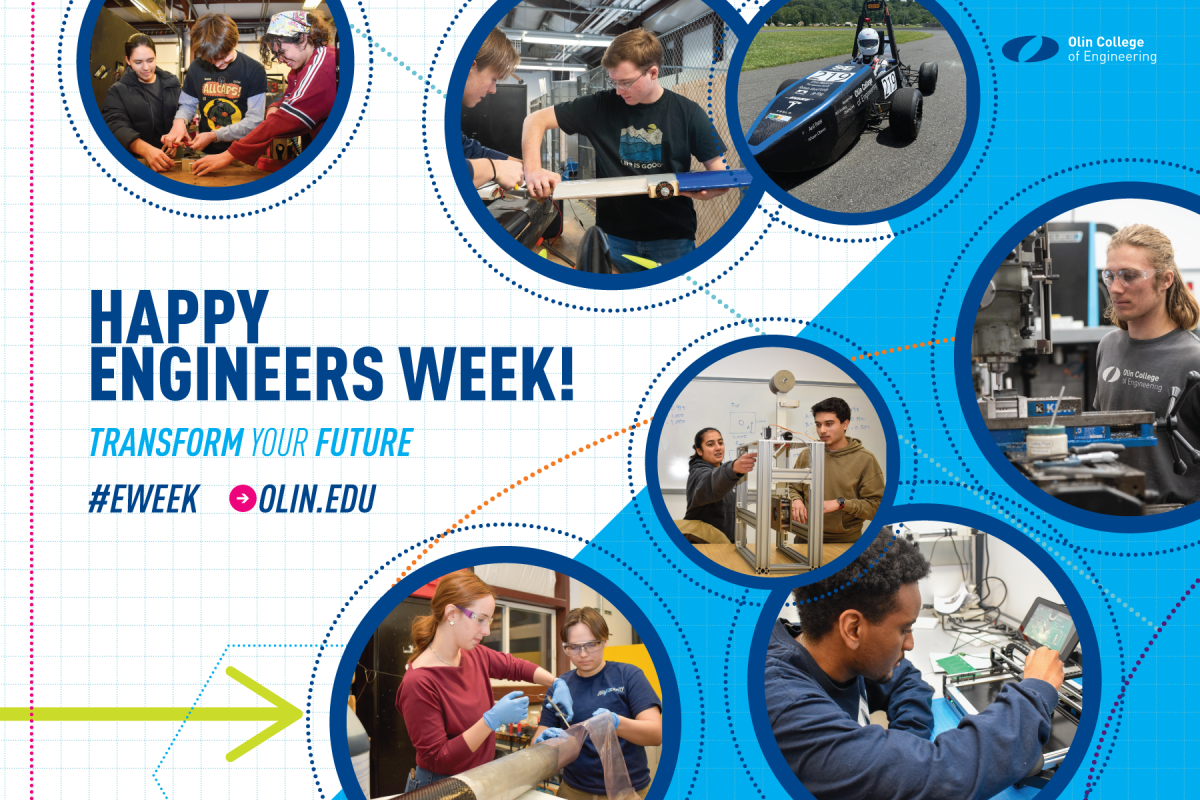
Graphic designed by Jocelyn Jimenez ’22.
About AERO
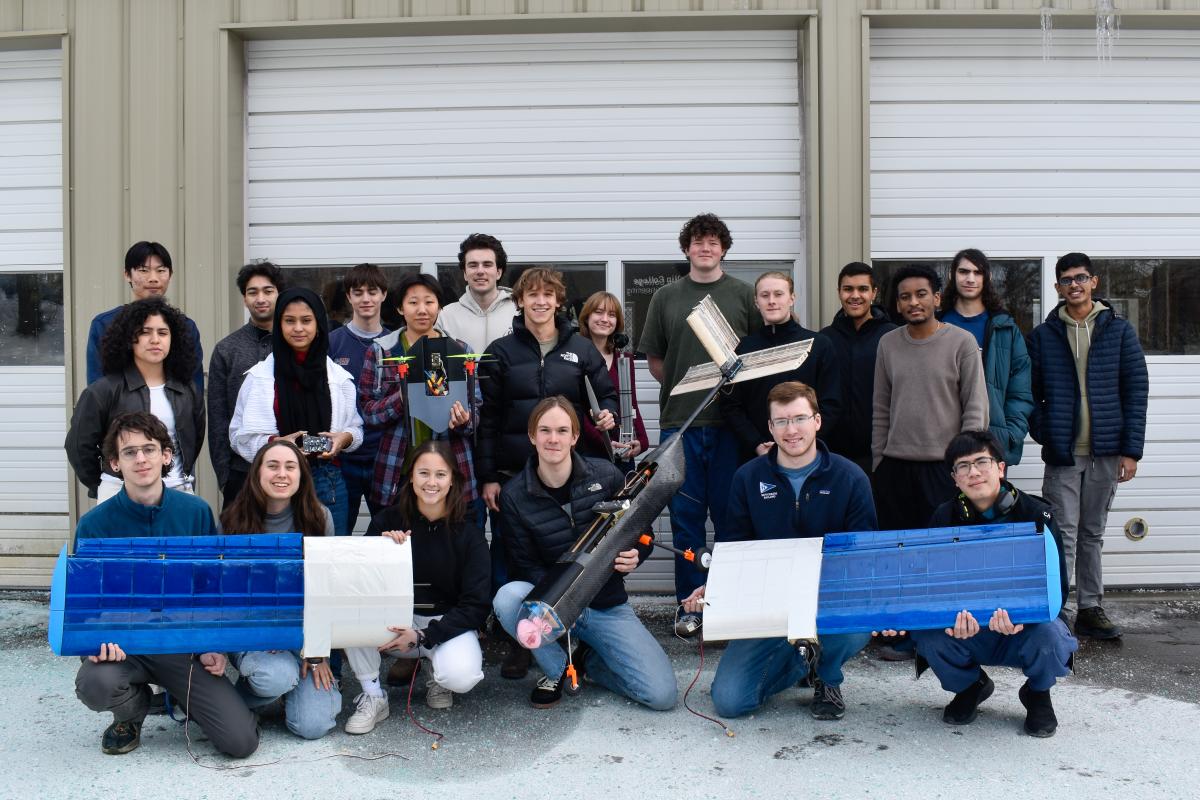
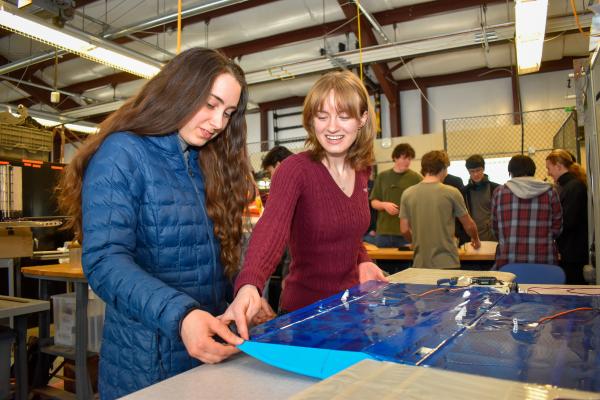
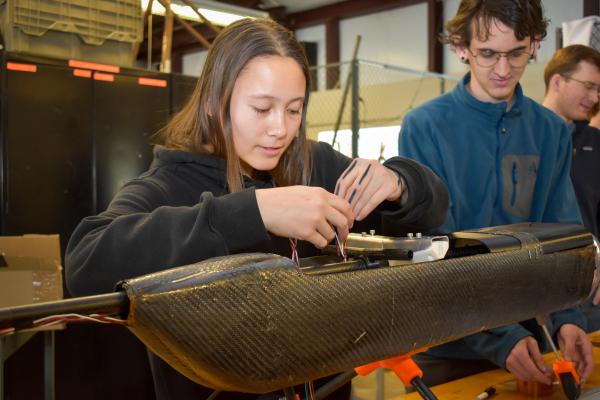
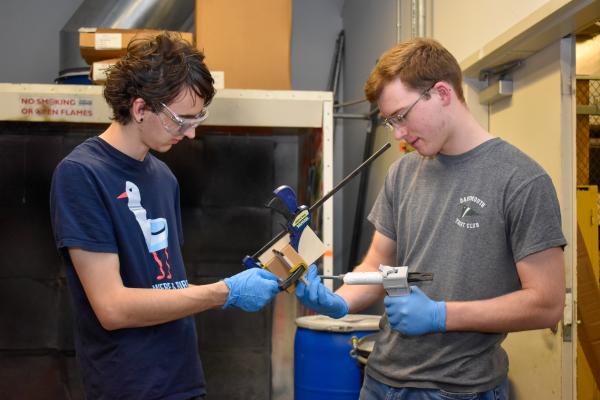
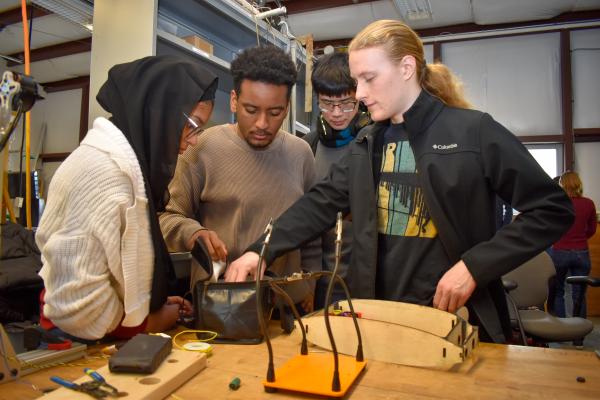
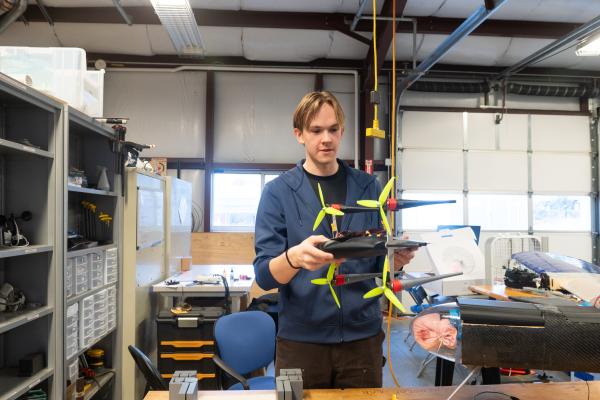
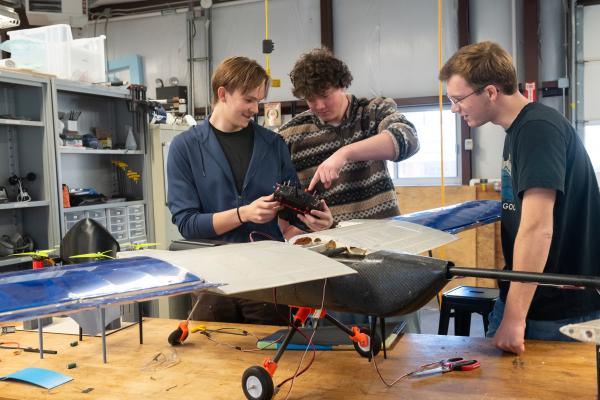
AERO is a team of undergraduate students who are developing a specialized autonomous aircraft for the RoboNation Student Unmanned Aerial Systems Competition. Team members gain experience and build skills in mechanical, electrical, and software design through composite fabrication, simulation, aerodynamic analysis, controls development, custom circuit board design, team collaboration, RC flying and more.

Leading a team has taught me how to truly work with people and push through roadblocks in ways classes just cannot replicate.
There is something different about navigating ambiguity and deadlines with a group depending on you. That experience has shaped me as an engineer, especially in internships, where I have felt more work-ready than my peers because I was not just learning concepts at Olin, I was applying them on a project team with real responsibility."
Zaraius Bilimoria ’28
AERO Software Lead
Team Photos
About Baja
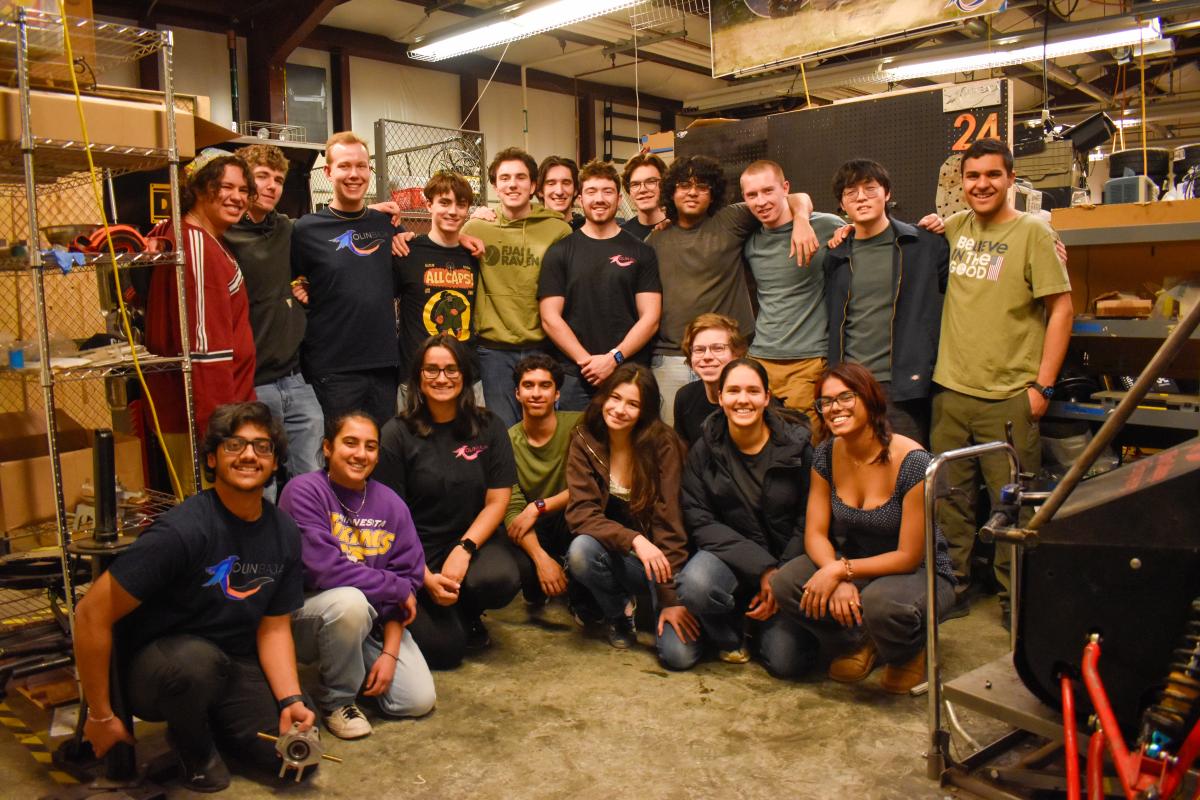
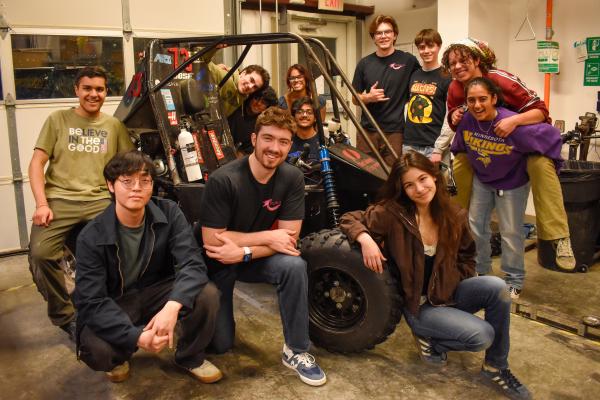
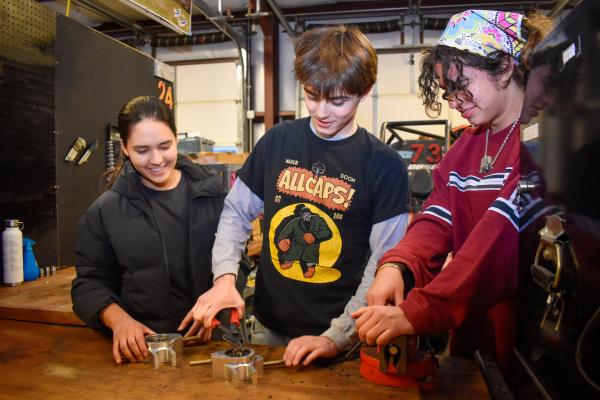
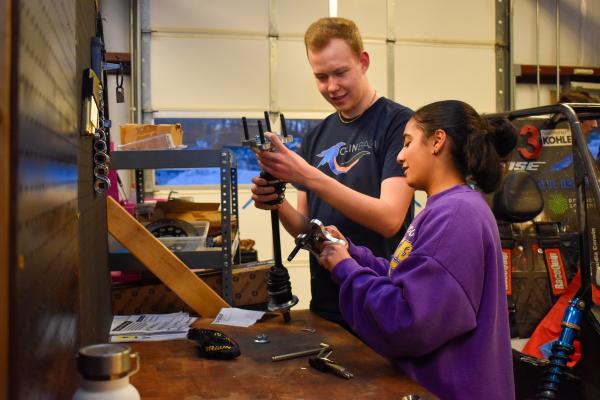
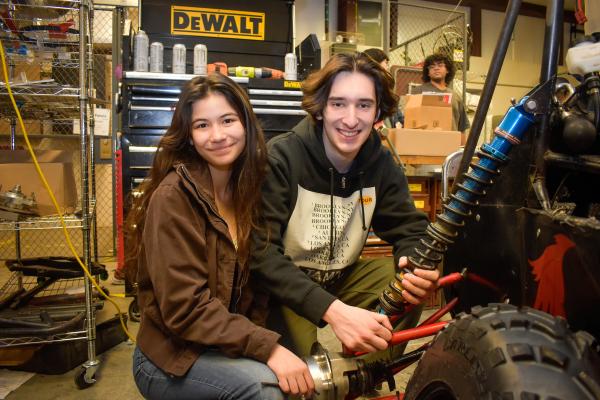
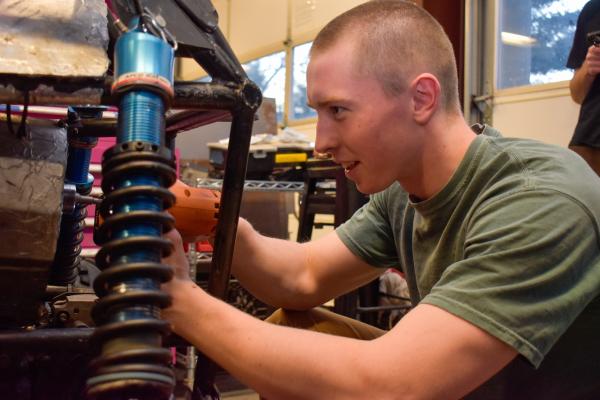
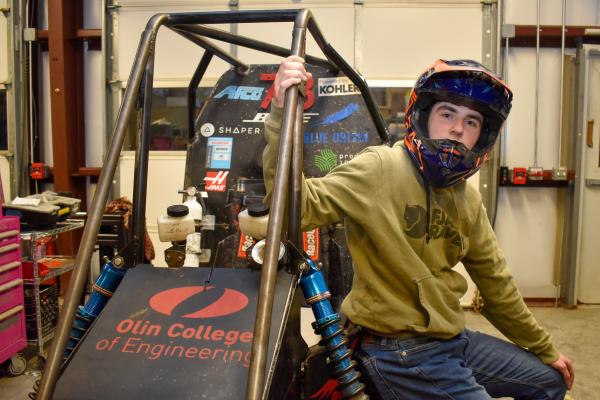
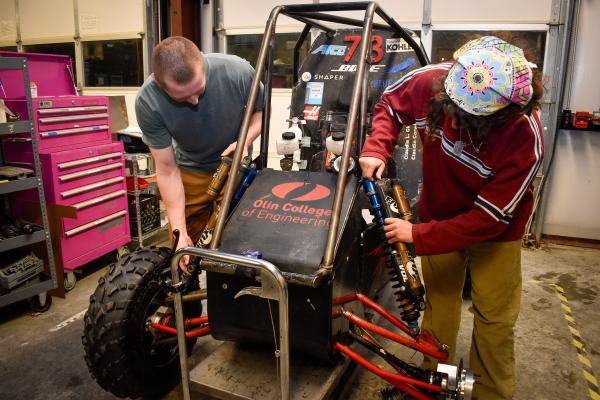
Baja is a student team that competes in the intercollegiate Baja SAE design series, which involves designing, building, testing and racing an off-road vehicle. The team has around 55 undergraduate students from all classes, and they are an education-oriented team, which provides members with long-term experience in an extensive, hands-on engineering project. Additionally, students get to work on design, manufacturing, testing, fixing, and even racing their vehicle.
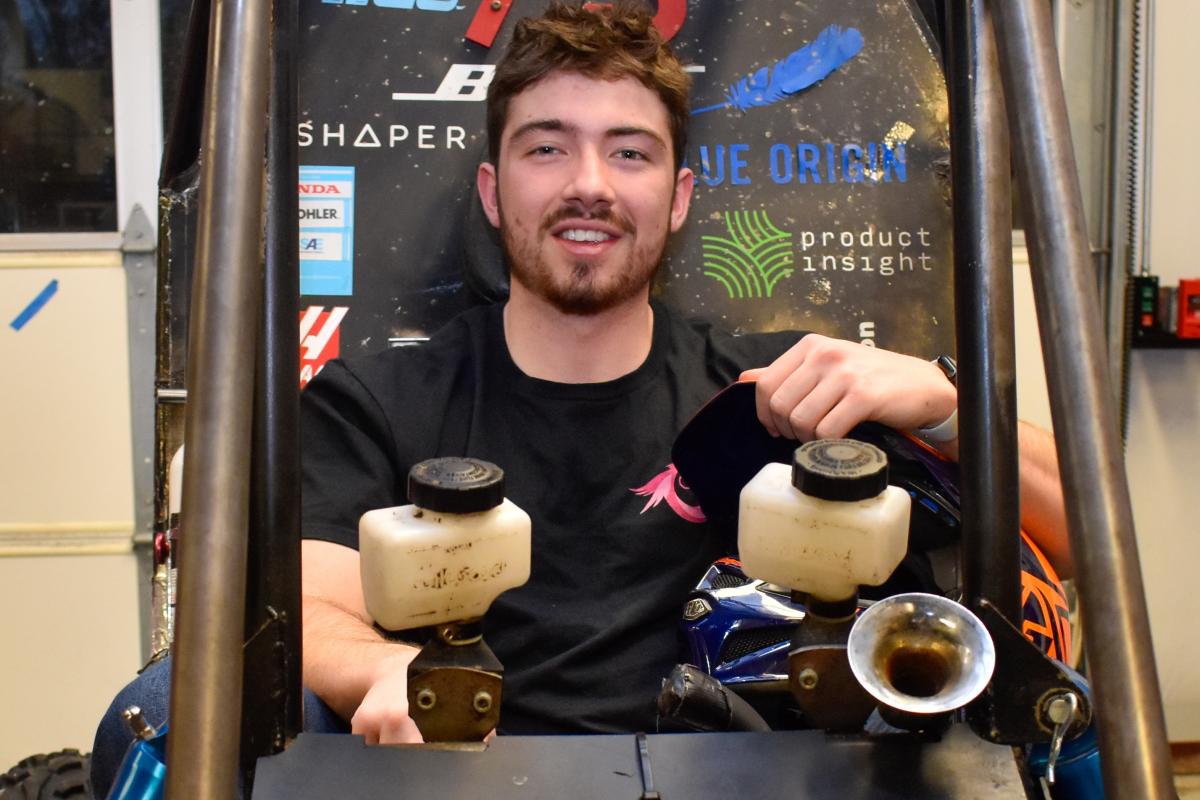
Being part of Olin Baja is one of the fastest ways to build real engineering capability through designing, validating, and fabricating a competitive off-road vehicle.
The work is demanding and performance-driven, forcing directed thinking, technical depth, and strong execution. I know that Baja will fundamentally shape how I engineer, build, and lead in high-stakes environments—unlike what I believe any other official collegiate experience offers."
Liam Carlin ’28
Baja Project Team Manager
Team Photos
OAT (Olin Assistive Technology) Lab
About OAT Lab
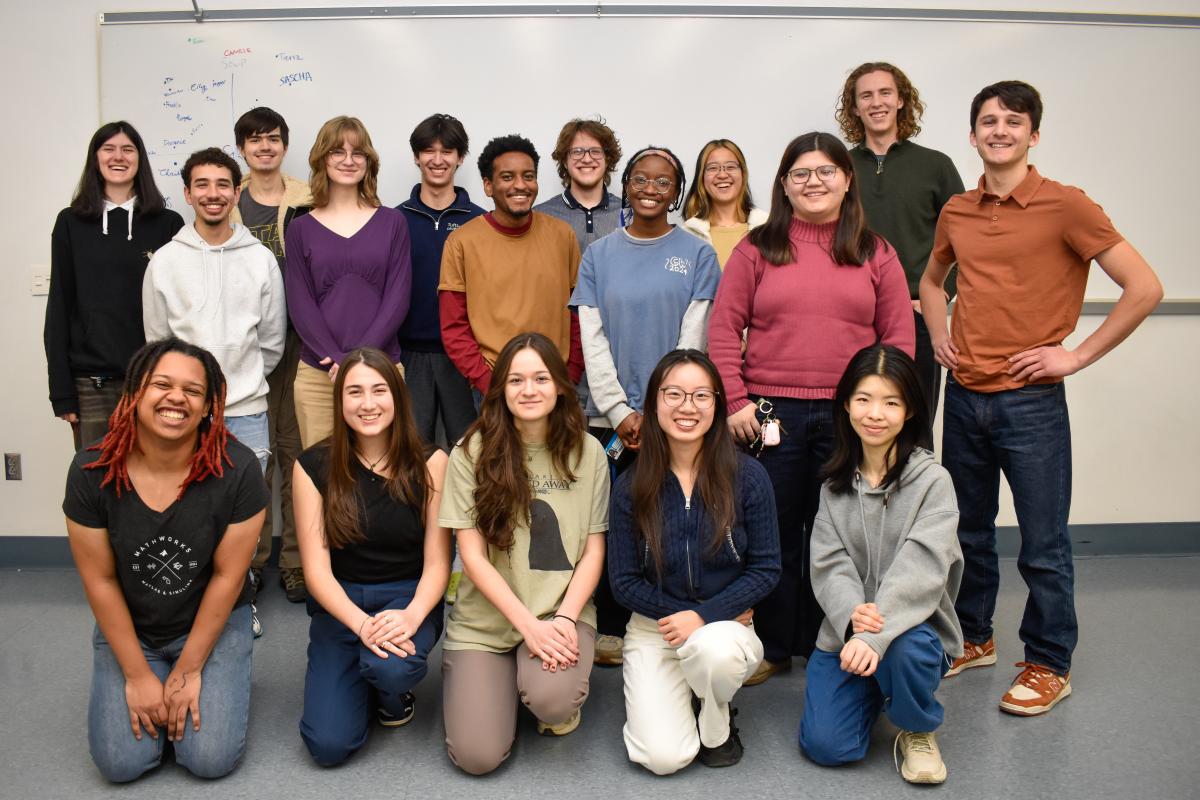
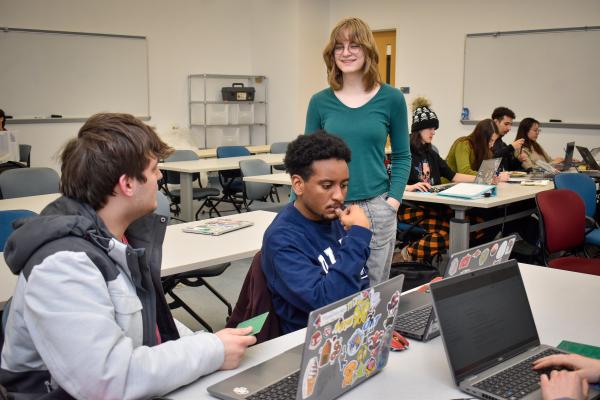
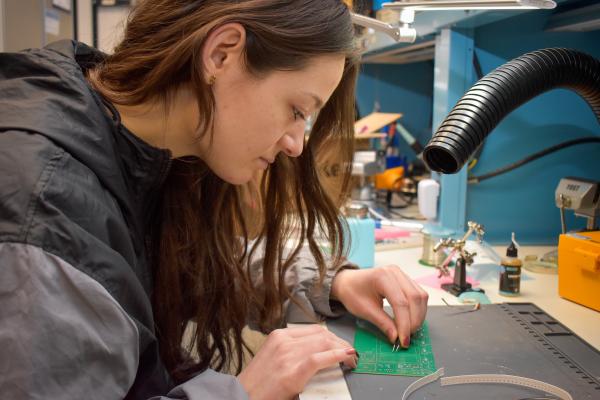
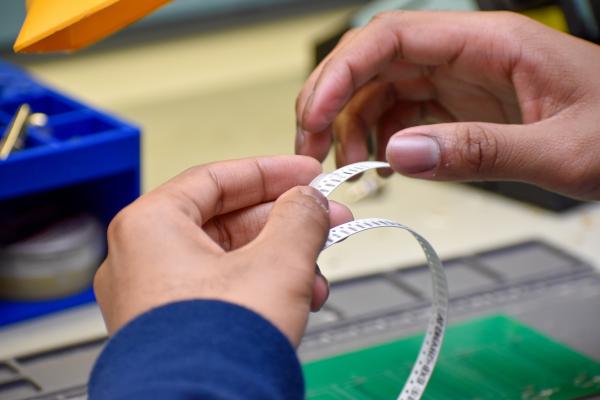
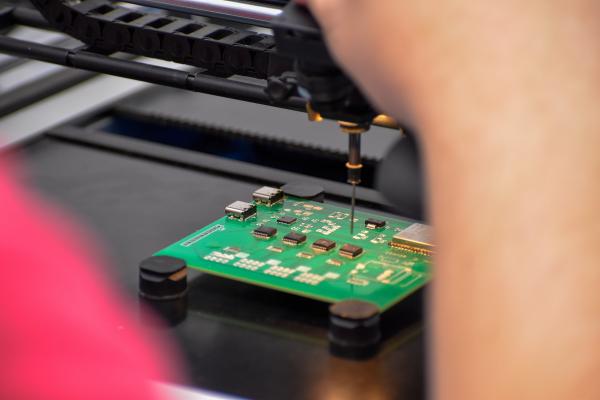
The Olin Assistive Technology Lab is a project team dedicated to creating impactful assistive devices that make the world a more accessible place for those whom it is not designed for. The team was established to give students a place to practice their engineering and design skills while fostering a passion for a positive social impact. Currently, OAT's goal is to create an open-source digital braille device. Their creation will allow those with visual impairments or blindness to have greater access to the digital world. By developing this device from scratch with its users in mind, we make impact a tangible part of our engineering and design process. To create it, the team will interact with the visually impaired community both to volunteer and to understand their issues that we could solve with our device. The team is split into 3 subteams: Device Interaction, Braille Cell Design, and Electrical Hardware & Firmware.
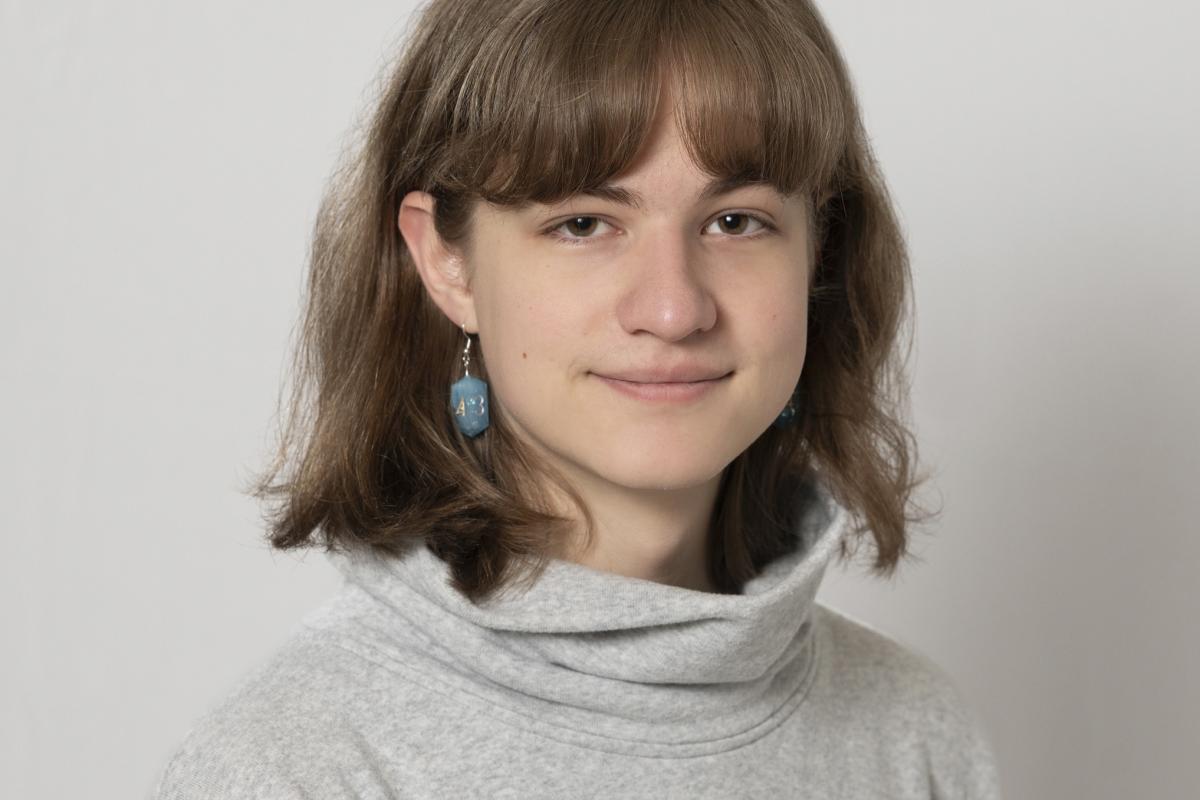
The process of taking an idea from nothing to something has been a learning experience like no other.
Through managing technical engineering and human-centered design elements of a larger project, I’ve started to figure out how to work with and for people; a skill I would’ve never learned without getting out of the classroom and doing it.”
Quinn Verrill ’27
OAT Lab Project Team Manager
Team Photos
About OCTAL
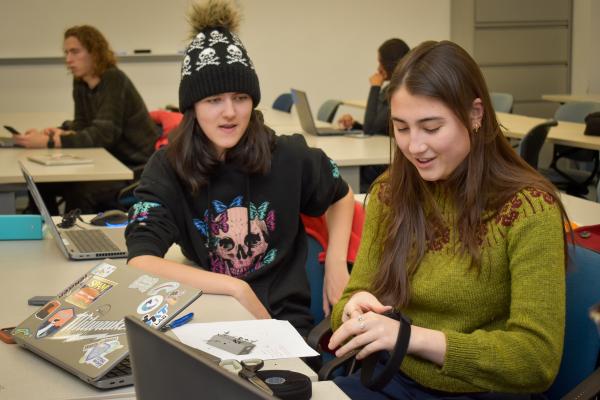
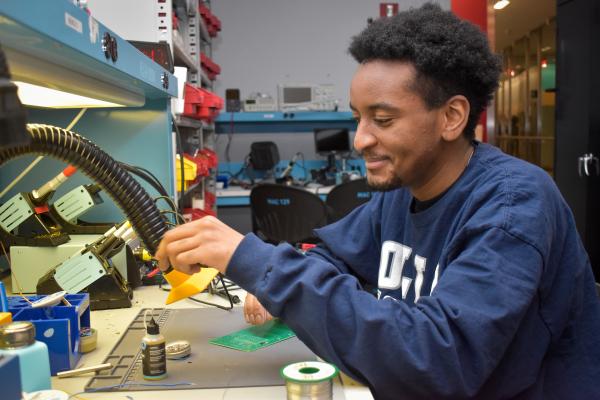
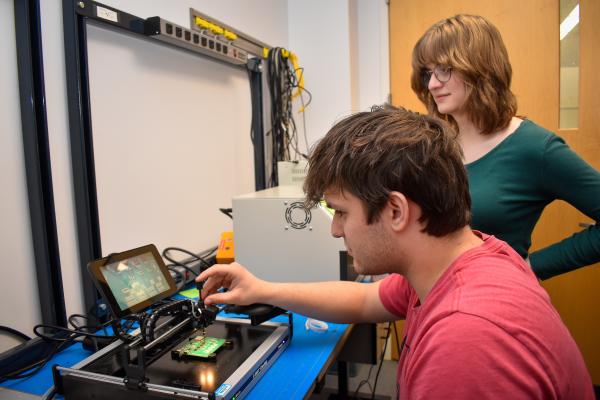
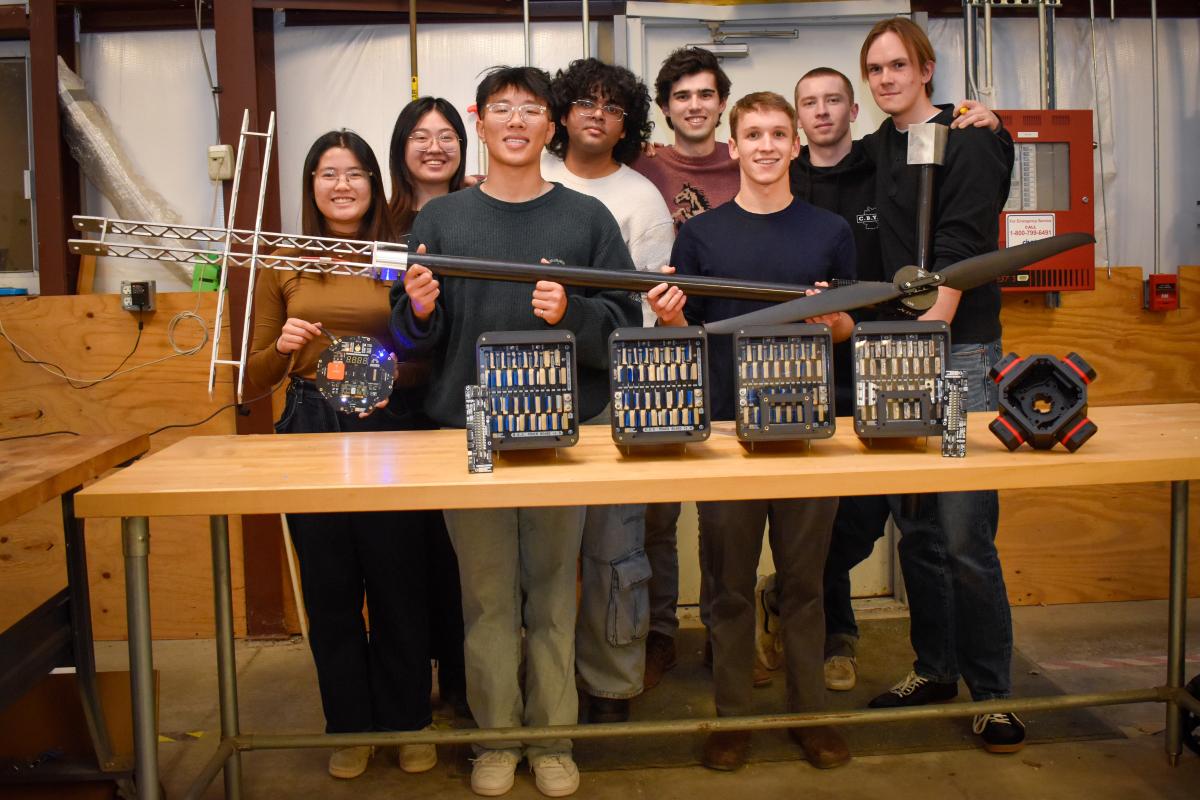
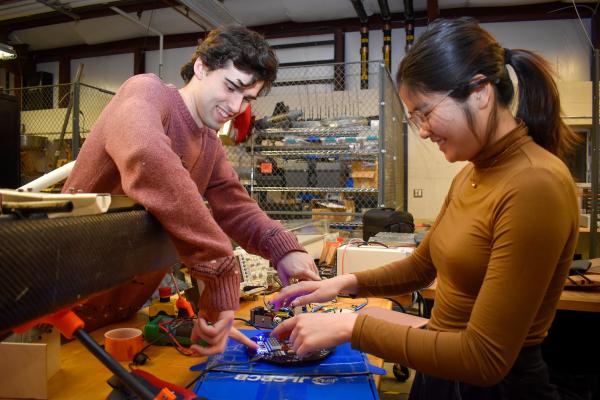
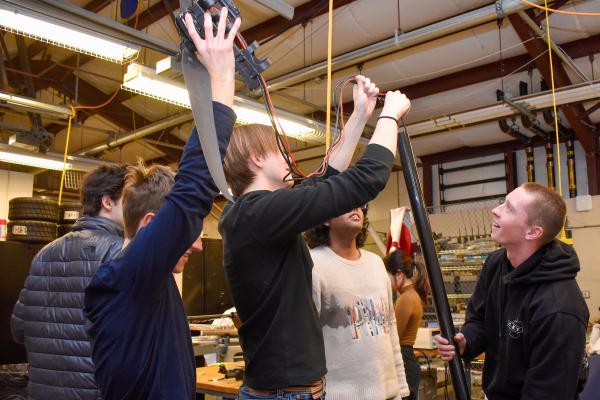
OCTAL is a brand-new student research team, and they are designing and building a heavy-lift autonomous firefighting drone that can help prevent wildfires. Fueled by higher temperatures and drier summers, wildfires account for between $400 billion and $1.2 trillion in damages per year across the US, and about 80% of these fires start as a result of a single lightning strike. Autonomous systems like the one OCTAL is working on can drastically reduce the effect of strikes by extinguishing new blazes quickly and when they are still small and manageable. Composed of 17 members across the MechE, ECE and RoboE concentrations, the team is nearing completion of its first prototype: a 300lb heavy-lift octocopter!
Some tech specs:
40 minute flight time
200 lb retardant carrying capacity
8x 43in propellers
Visible and IR cameras, LiDAR, RTK GPS, and laser rangefinders for sensing and autonomy
The team is psyched to start full system flight testing in early March 2026 and is on schedule to attempt autonomous missions before the end of the school year!

Being on a project team at Olin has made me an actual engineer.
I’ve had to decide what problems to tackle, how to approach them, and the difficulties of implementing solutions in the real world. I have also gained friends that I hope to keep long after college!"
Logan Teeple ’28
OCTAL Project Team Member
Team Photos
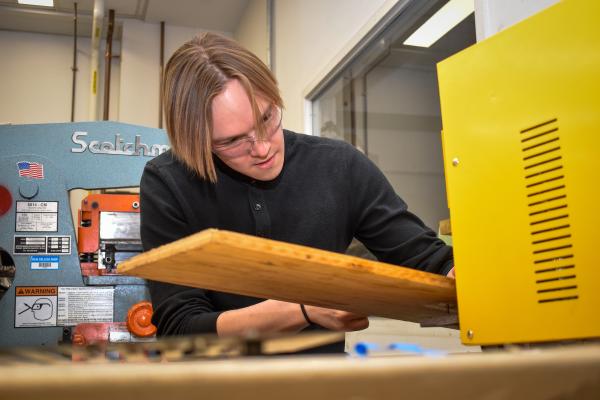
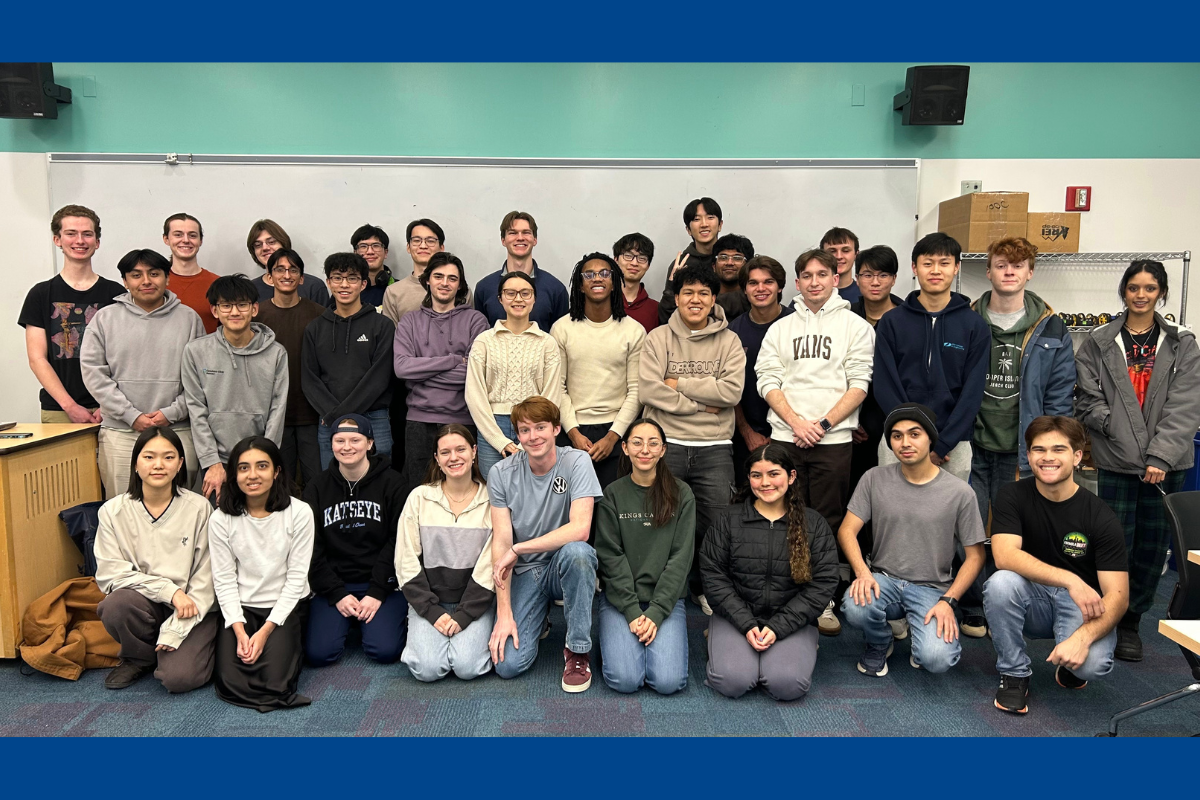
About OEM
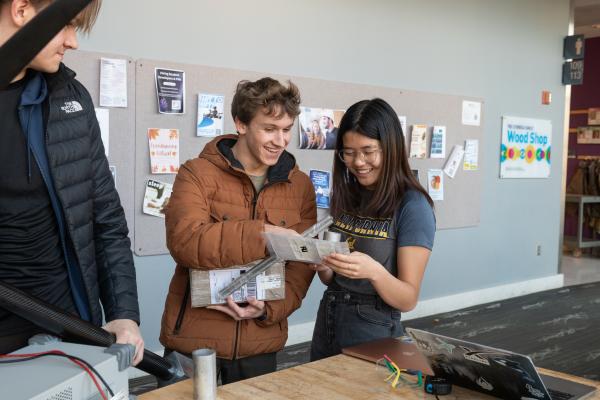
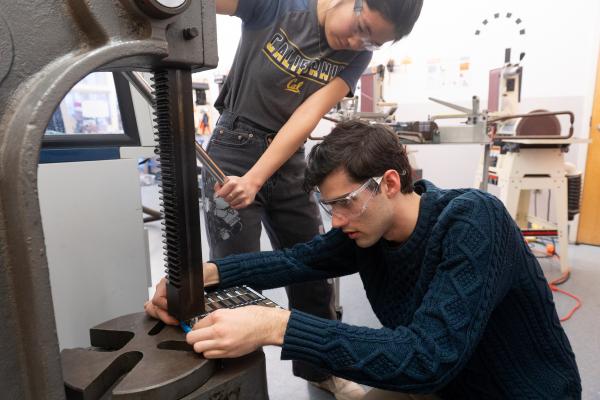
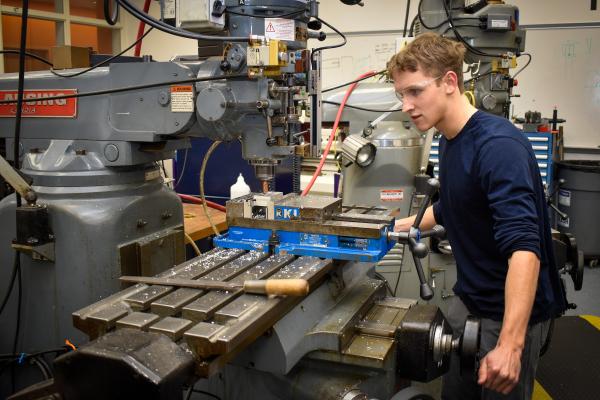
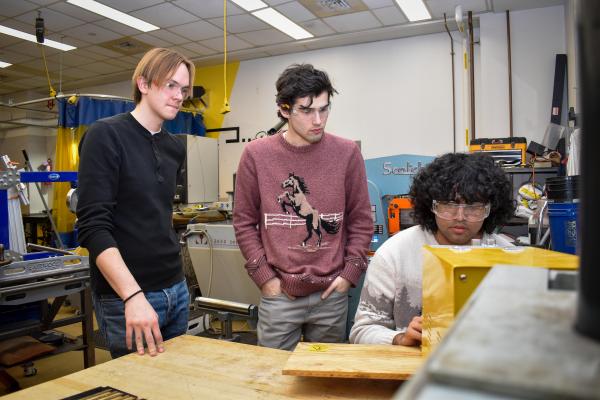
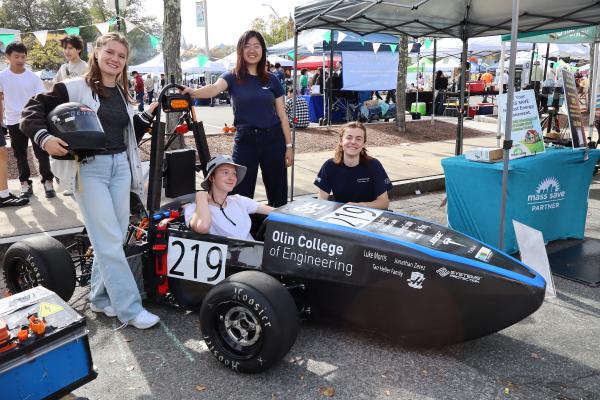
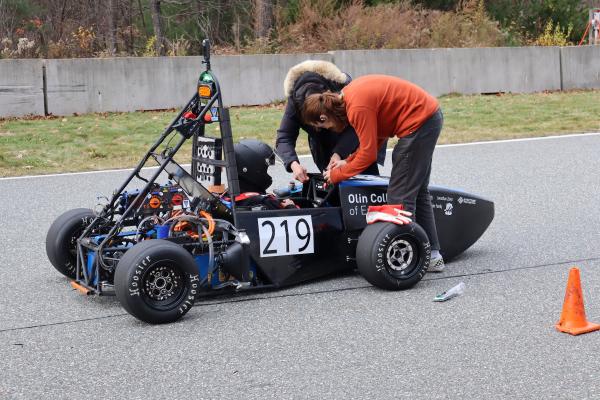
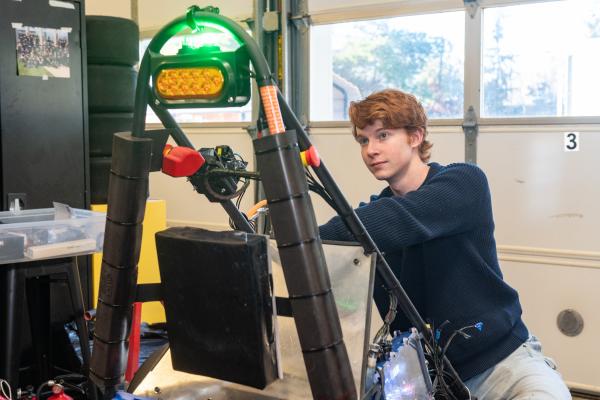
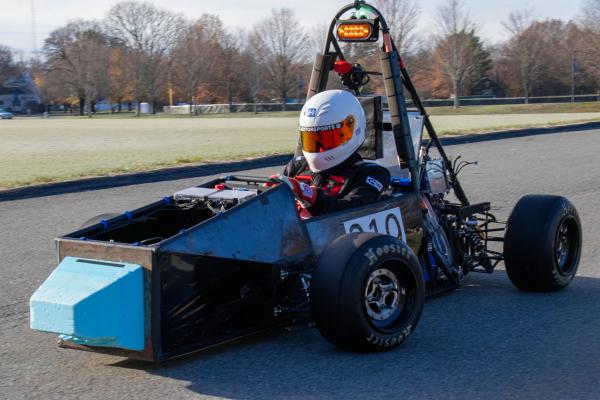
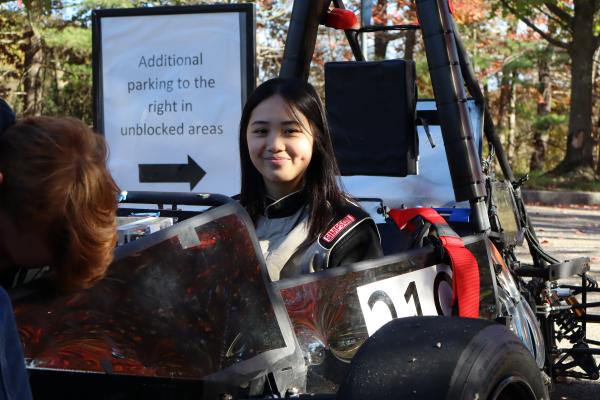
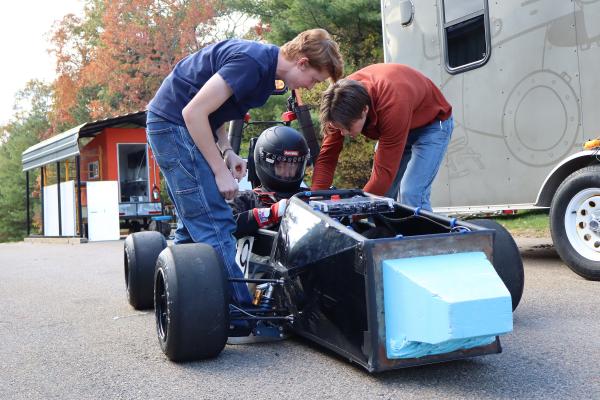
Olin Electric Motorsports focuses on educating engineers through developing and manufacturing electric race cars. Electric vehicles provide a platform for the team to pursue in-depth mechanical, electrical, computer and systems engineering. By working together to compete each season, develop their technical knowledge as well as communication and leadership skills essential for success as a professional engineer.
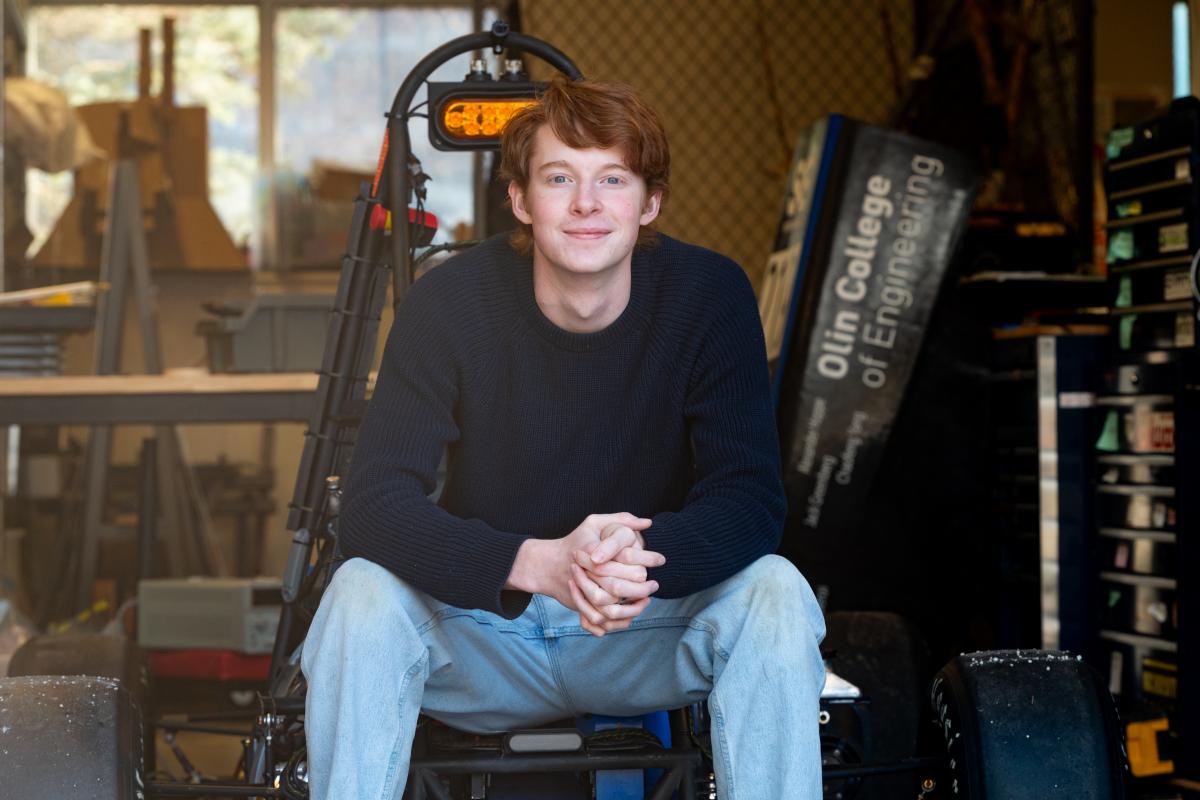
Being a part of Olin Electric Motorsports has taught me so many fundamental skills around best practices for design, debugging, team management, and many other things.
I can see it being the foundation for almost all projects I take on in later life, and it has already helped me with smaller class projects. I hope my experience will enable me to advance quicker in the caliber of a project I can create and thus the good I can do for the world."
Jake Hamilton ’28
OEM Project Team Manager
Team Photos

About OPEL
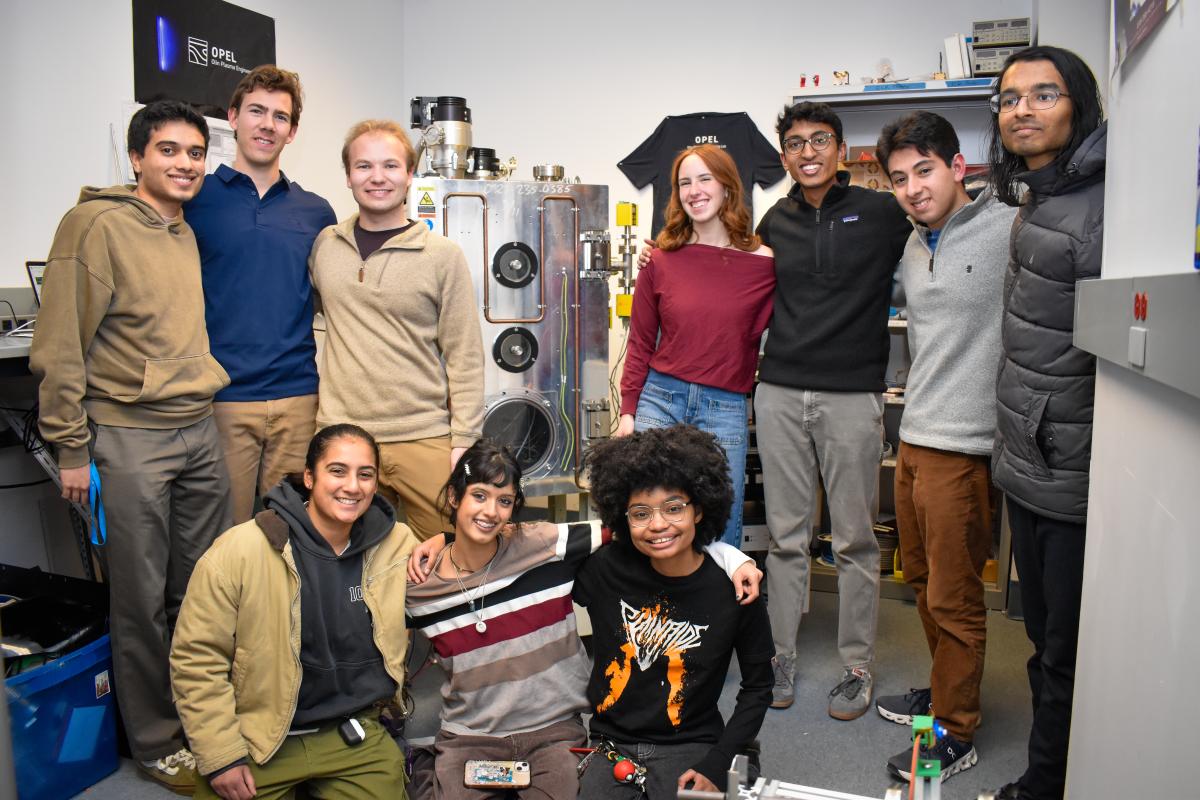
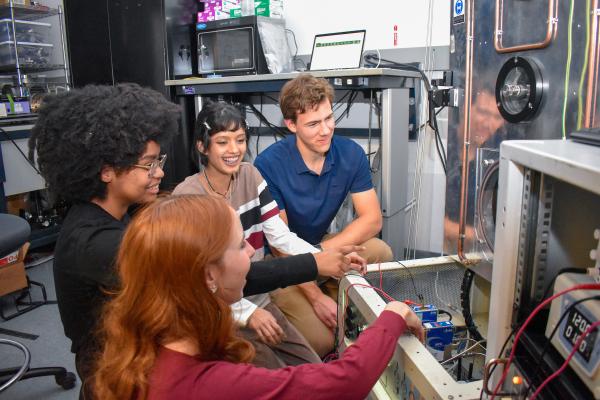
The Olin Plasma Engineering Lab is a student-run space technology laboratory where undergraduates research, design, and test advanced spacecraft hardware. The students build and operate Hall-effect thrusters, design custom diagnostic systems, simulate thruster design in professional software tools, write technical papers, and present results at international conferences. The team is developing electric propulsion hardware used in spacecraft that shows promise for fast deep-space travel and long-term Earth orbit missions. Our mission is to expand undergraduate access to electric propulsion research and develop the next generation of space engineers by giving students ownership over advanced systems from day one.
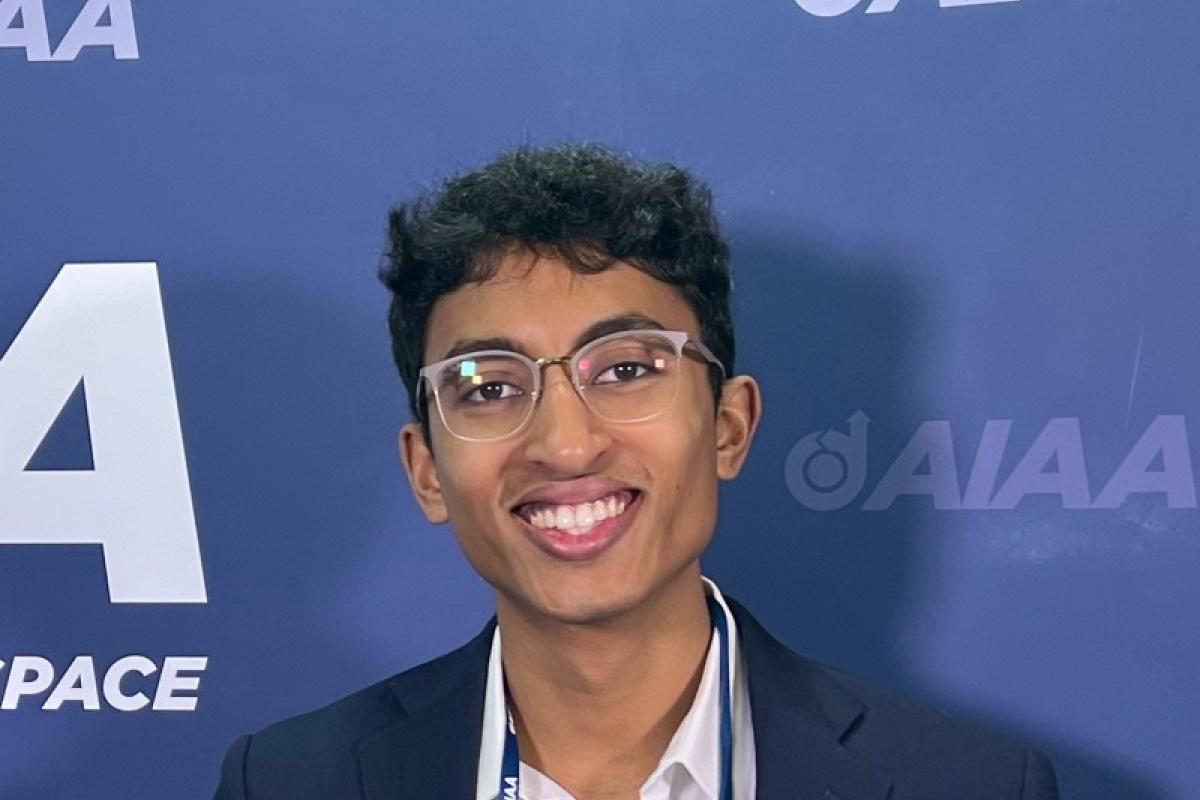
Project teams are a really unique community here at Olin where super passionate students get together and work really hard on something they want to see and want to bring to the world.
In our case, OPEL has really been that community of passionate people coming together and building the next generation of spacecraft propulsion technologies. Not only has it been a great way for us to connect with each other, but it's also been a great way to stay connected with alumni."
Charith Fernando ’27
OPEL Project Team Manager
Team Photos
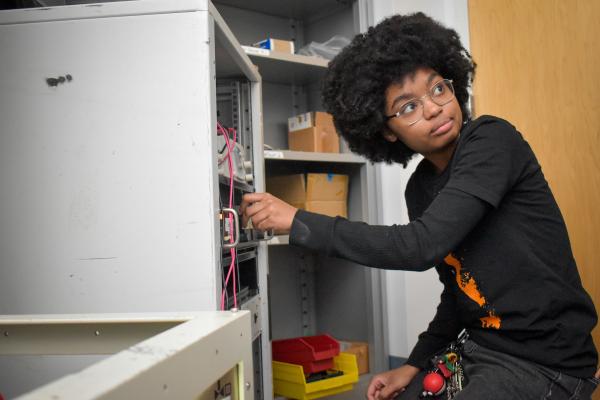
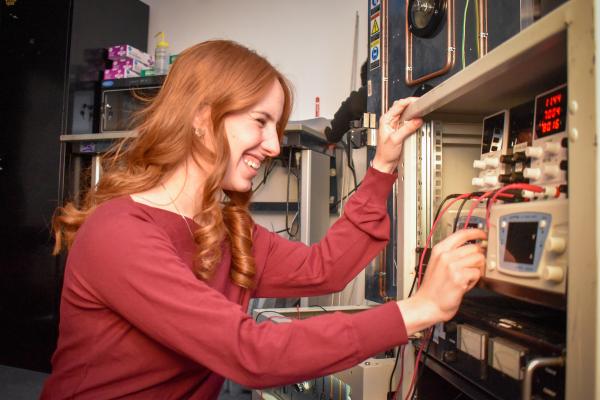
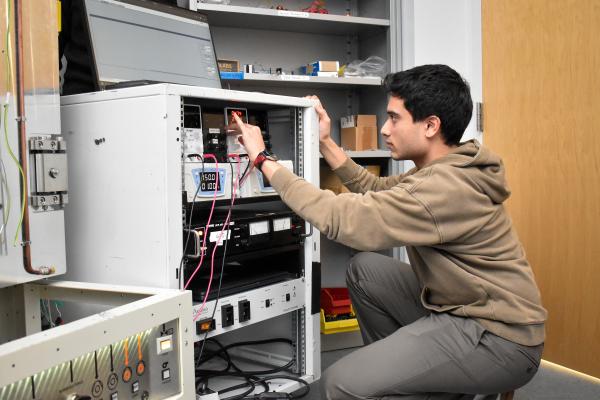
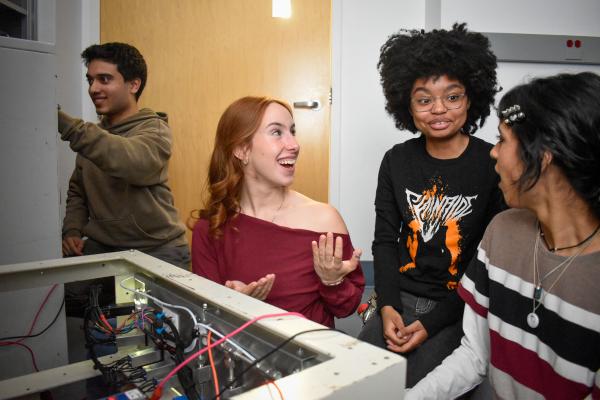
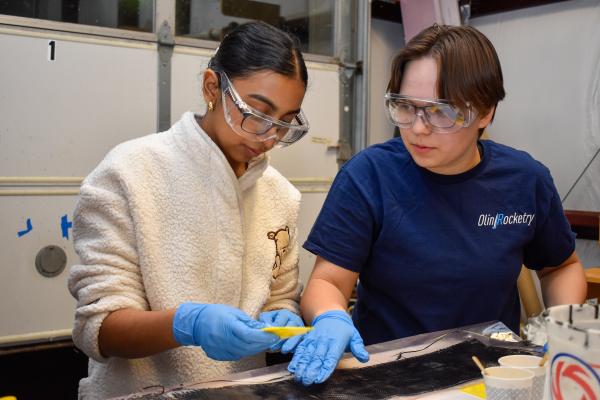
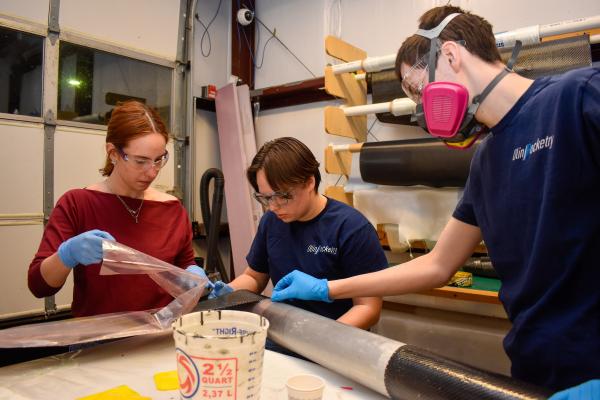
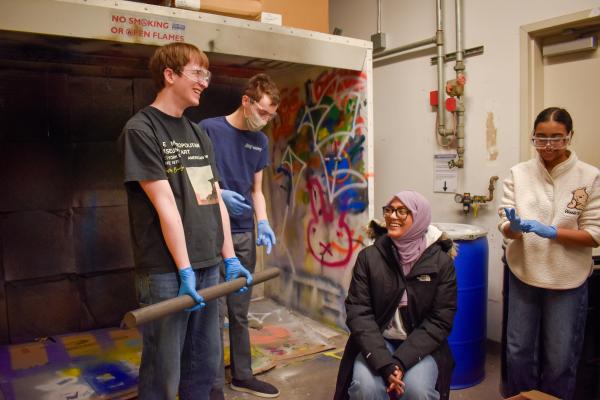
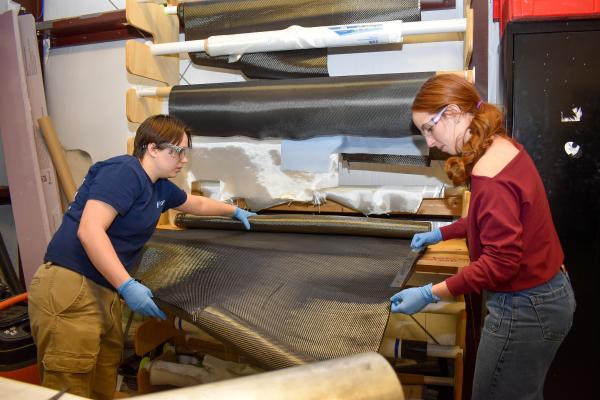
About Rocketry
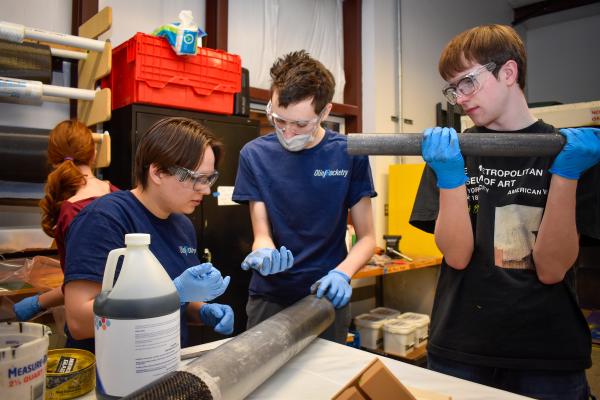
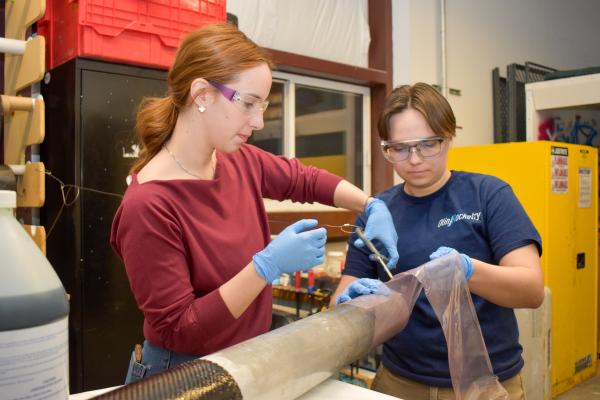
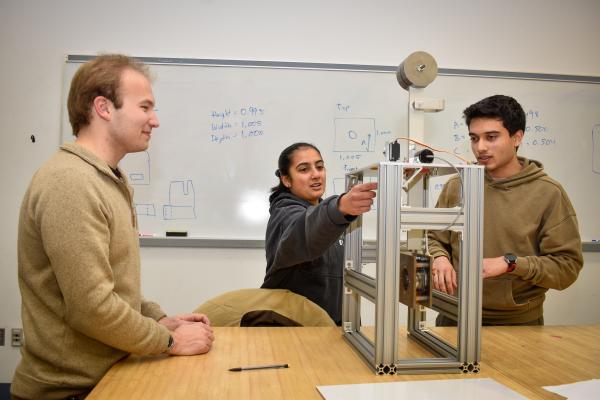
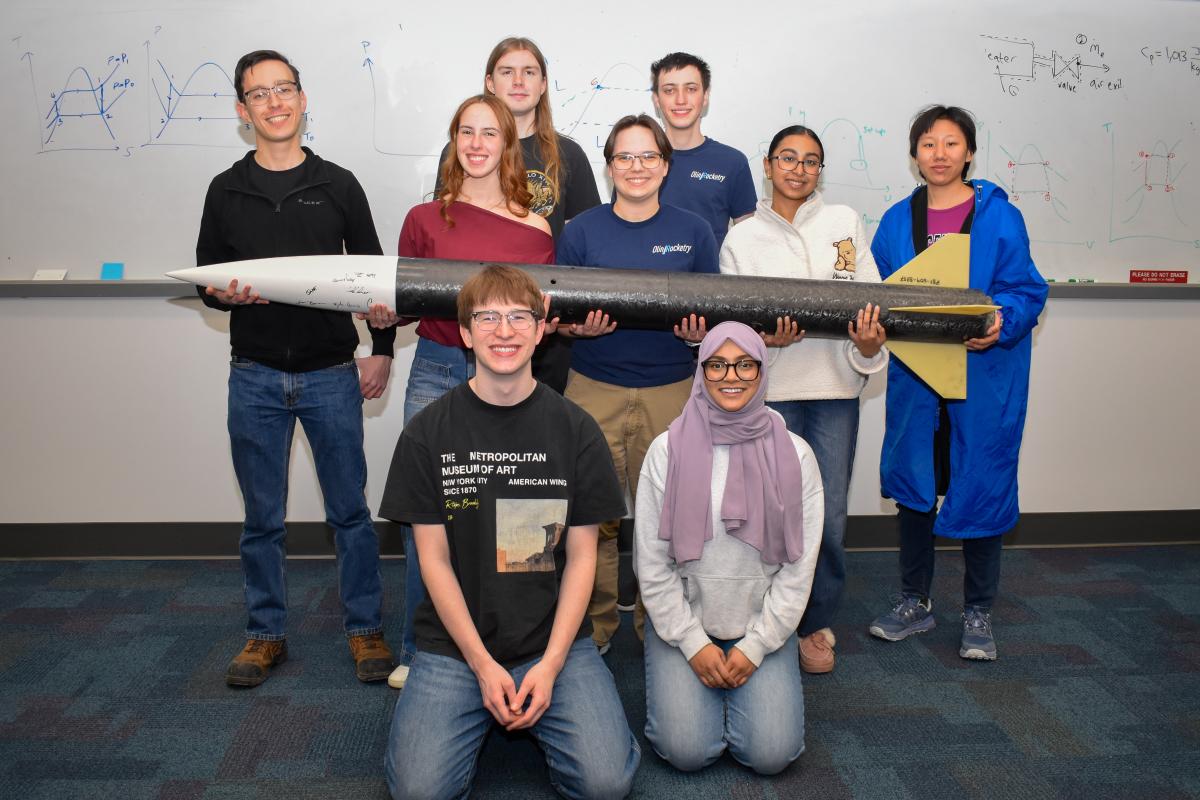
Olin Rocketry is a student-driven engineering team dedicated to designing, building, and launching high-powered rockets. Our mission is to provide hands-on experience in aerospace design, manufacturing, and systems engineering. Through collaboration and technical leadership, we aim to prepare students to become future aerospace engineers by working on real-world engineering challenges.
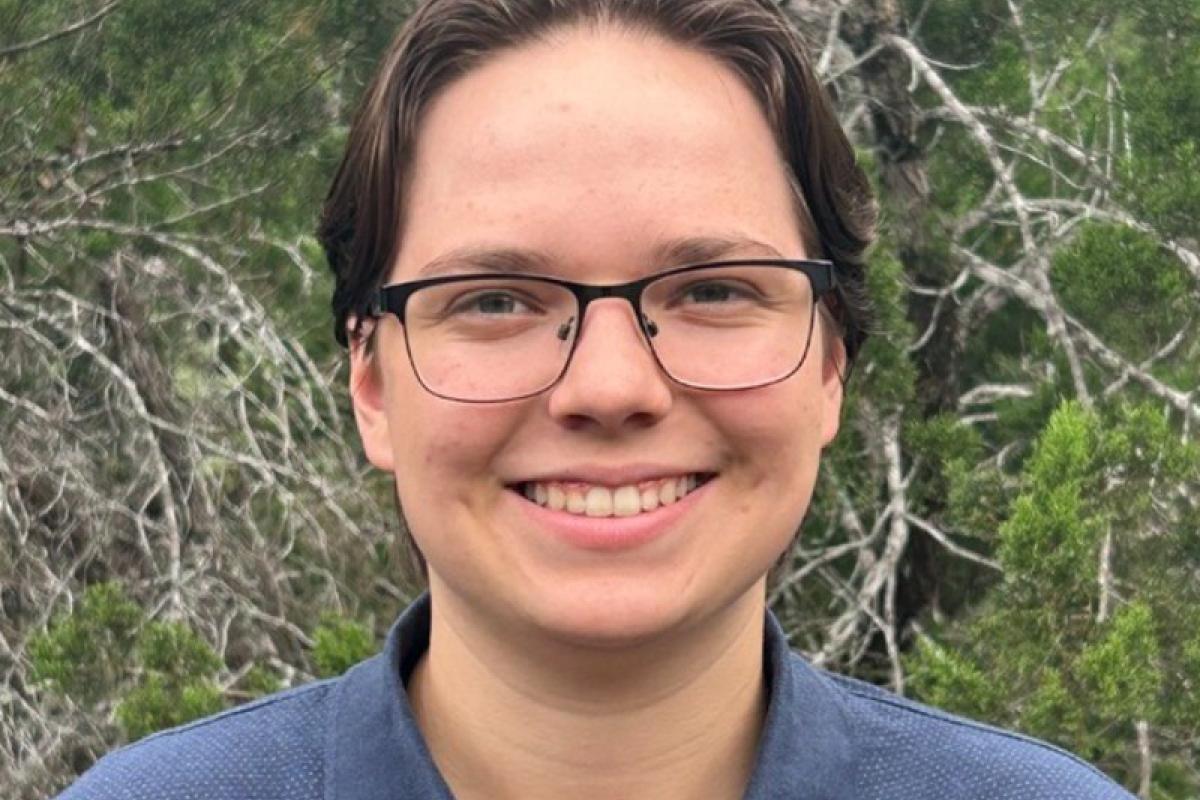
Through Olin Rocketry, I have learned how to approach complex problems that don’t have clear solutions.
On a project team, you are constantly facing new challenges and have to figure out how to overcome them through research, testing, and iteration. This experience prepares me for a career as an engineer because I’ve learned how to adapt and confidently tackle problems as they arise."
Hailee Gooden ’28
Rocketry Project Team Manager
Team Photos