Back to the Moon: Olin Alumni Behind the Historic Artemis II Mission
The first crewed mission to the Moon in over 50 years and Olin alumni were part of the team making sure every signal, data point, and moment of the mission was captured and delivered in real time.
Behind the historic Artemis II mission, Olin alums Ashley Walker ‘09 and Mira Flynn ’23 were part of the team powering the invisible backbone of the April 1 launch: voice communications, video, and telemetry data flowing in and out of Denver’s United Launch Alliance (ULA) Data Station, from prelaunch through mission completion.
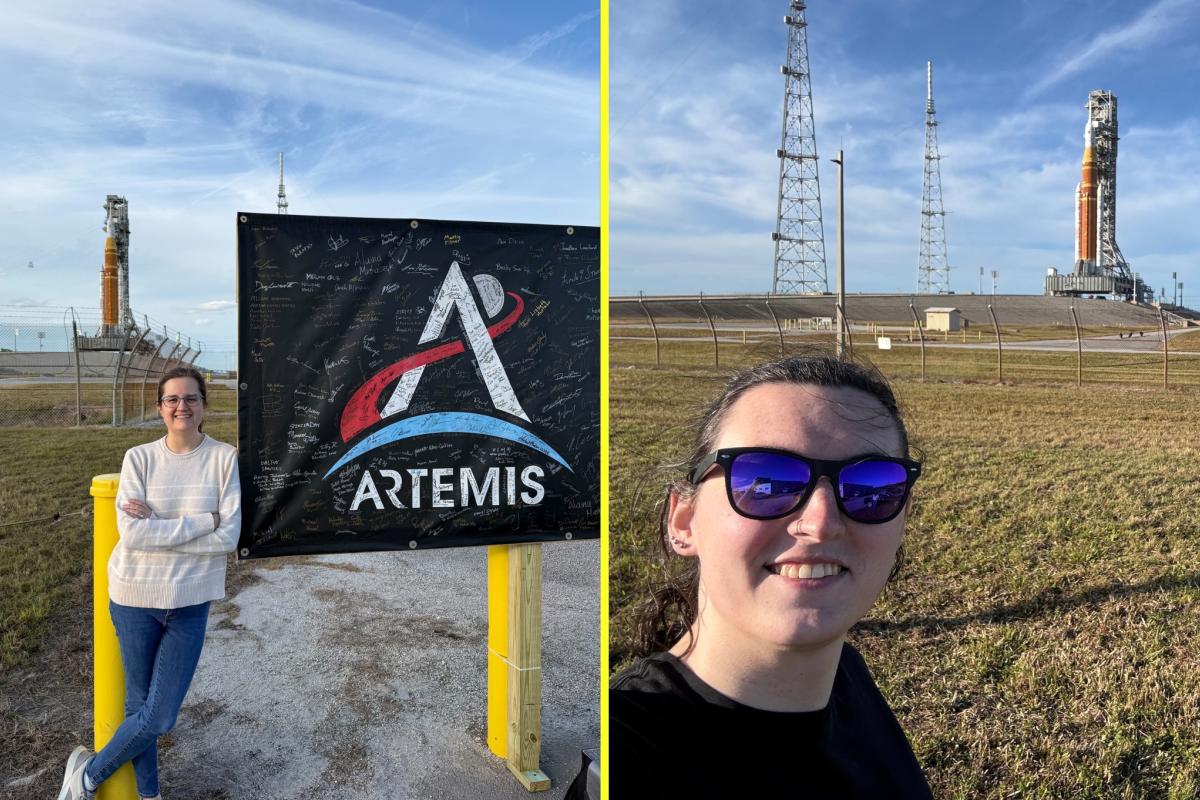
(L to R): Ashley Walker ‘09 (Electrical & Telemetry Engineer, ULADS Lead Engineer, Denver Telemetry Responsible Systems Engineer) and Mira Flynn ’23 (Software & Telemetry Engineer) were part of the team powering the invisible backbone of the Artemis II launch.
Ashley, an electrical and telemetry engineer, ULA Data Sation (ULADS) lead engineer, and Denver telemetry responsible systems engineer, has been part of the NASA Artemis program for over a decade, working on both Artemis I and II. ULA provided the second stage, the interim cryogenic propulsion stage (ICPS) for both missions and the third stage is already built for the Artemis III mission.
Ashley's role centers on making sure critical telemetry is captured and delivered exactly where it needs to go - because, as she puts it, “you only have one shot to collect this data.”
"My lab works missions from the very start of testing until we stop receiving data from the rocket in flight. It’s been an amazing process to watch the Artemis II mission from software testing to finishing its orbital data collection," says Ashley.
On launch day this April, she supported the team of Denver engineers monitoring rocket performance along with verifying receipt of telemetry from sites around the world relayed as expected.
Mira, a software and telemetry engineer that works within Ashley’s lab, helps to transform the incoming data into something actionable - supporting engineers, collaborating with NASA and Boeing, and preparing systems for what comes next.
"It’s been an amazing process to watch the Artemis II mission from software testing to finishing its orbital data collection," says Ashley.
During the historic moment, Mira was part of the team ensuring everything from telemetry flow to troubleshooting readiness was in place in real time.
Once the spacecraft was safely launched and the astronauts were testing the capsule systems, Mira was able to take quick stock of the momentous achievement. "I was so excited to be part of the team that made it happen."
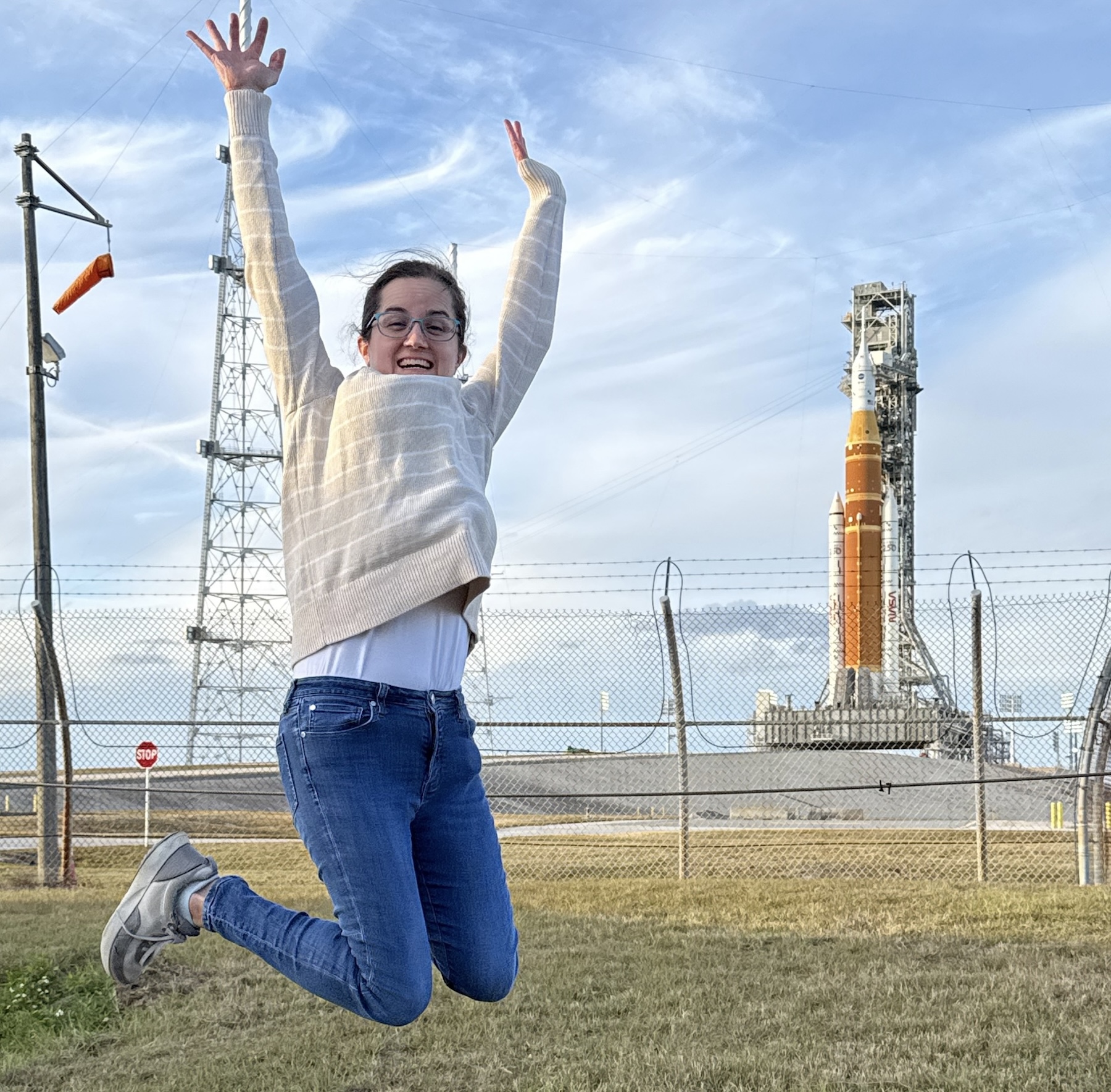
For both, the moment Artemis II launched was unforgettable. Years of testing, iteration, and coordination distilled into a few critical minutes.
“It almost felt like a dream,” says Ashley. “I still can’t believe [the spacecraft] flew so successfully.”
Mira described the mix of excitement and anxiety that occurs on the ground during a mission like the Artemis II flyby.
“There’s so much that has to go right in a very short period of time, and we need to be ready to troubleshoot any number of issues on the fly.”
"Olin’s hands-on education taught me how to rapidly iterate with incomplete information. When something goes wrong, our team needs to either fix the problem or work around the problem, often on a very tight timeline," says Mira.
Their work at ULA reflects something unique about Olin’s approach: learning how to adapt, iterate, and solve problems that don’t come with instructions!
"Olin’s hands-on education taught me how to rapidly iterate with incomplete information. When something goes wrong, our team needs to either fix the problem or work around the problem, often on a very tight timeline," says Mira.
From first simulations to lunar trajectories, Ashley and Mira are helping carry human spaceflight into its next chapter and that’s something to jump for joy about!